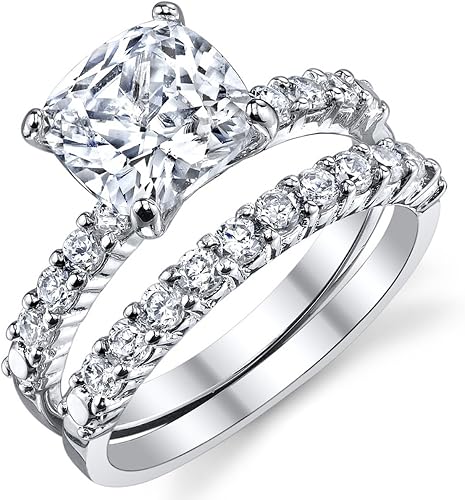
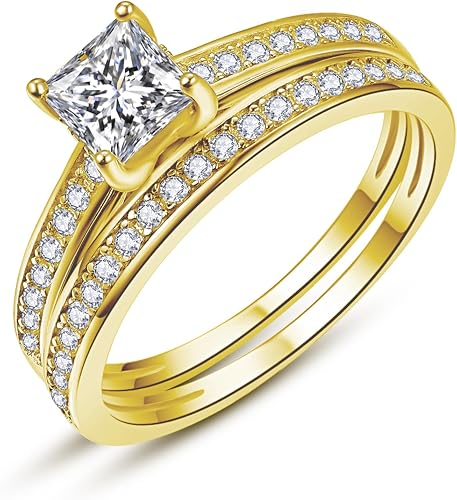
A lab-grown diamond and a mined diamond are the same thing. Same carbon crystal structure. Same hardness. Same brilliance. Same fire. The only difference is where it was made: one formed underground over billions of years, the other was grown in a lab over a few weeks.
How Lab-Grown Diamonds Are Made
There are two methods. HPHT (High Pressure High Temperature) mimics the natural conditions that create diamonds deep in the earth. A small diamond seed is placed in a press with carbon and subjected to extreme heat and pressure. CVD (Chemical Vapor Deposition) places a diamond seed in a chamber filled with carbon-rich gas. The gas breaks down and carbon atoms attach to the seed, building a diamond layer by layer.
Both methods produce real diamonds. Not "diamond-like" stones. Not simulants. Actual diamonds that are indistinguishable from mined diamonds without specialized equipment.
The Price Difference
Lab-grown diamonds cost 60-80% less than equivalent natural diamonds. A 1 carat lab-grown diamond with good specs runs $800-1,500. The natural equivalent is $4,000-7,000. For a 2 carat stone, you are looking at $2,000-3,500 lab-grown vs $15,000-30,000 natural.
That gap continues to widen as lab technology improves and production scales up.
Are They "Real" Diamonds?
Yes. The FTC updated their definition of "diamond" in 2018 to include lab-grown stones. They are chemically, physically, and optically identical. They get graded by the same labs (GIA, IGI) using the same 4C criteria. A jeweler cannot tell the difference without a specialized machine that detects the growth pattern.
Why Some People Still Prefer Natural
Rarity and romance. A natural diamond is billions of years old and traveled from deep inside the earth. That story resonates with some people. There is also the perceived status factor and the concern (overblown, but real) about resale value.
Resale Value: The Reality
Natural diamonds lose 30-50% of their value the moment you walk out of the store. Lab-grown diamonds lose even more. Neither is a good financial investment. If you are buying a diamond as an investment, buy stocks instead. If you are buying it because you love it and want to wear it, buy whichever one makes you happy at a price that does not stress you out.
The Environmental Question
Lab-grown diamonds have a smaller environmental footprint than mining, but they are not zero-impact. They require significant energy to produce. Some manufacturers use renewable energy, others do not. If environmental impact matters to you, ask the retailer about the energy source used in production.
The Bottom Line
Lab-grown diamonds are the same stone at a fraction of the price. The stigma around them is fading fast, especially among younger couples who would rather spend $1,500 on a beautiful lab-grown ring and put the other $4,000 toward their life together. There is no wrong answer here, only the one that fits your values and your wallet.